law explainer
California lemon law, explained without the legal jargon
How CA lemon law actually works: the Song-Beverly framework, what qualifies, what "a reasonable number of repair attempts" really means, and where the new law changed the rules.
California has one of the strongest lemon laws in the country, and it's also one of the clearest — once you cut through the legal vocabulary. The whole thing comes down to three questions: Is the defect real? Is it under warranty? Have you given the manufacturer a reasonable number of chances to fix it? If yes to all three, you're in the zone where the law kicks in.
This page walks through how it works.
The foundation: Song-Beverly
The core California lemon law is called the Song-Beverly Consumer Warranty Act. It's been on the books since 1970 and applies to anyone who bought or leased a new (and in many cases used) vehicle in California with a manufacturer's warranty.
A new motor vehicle is presumed to be a lemon if, within 18 months or 18,000 miles (whichever is first), the manufacturer or its authorized service has failed to conform the vehicle to warranty after "a reasonable number of repair attempts" for the same nonconformity.
The word the law uses is "nonconformity" — which just means a defect that the warranty was supposed to cover. If your new Tesla is supposed to have working brakes and the brakes keep failing, that's a nonconformity.
What "a reasonable number of repair attempts" actually means
This phrase is where most of the confusion lives. California law doesn't say "three." It says "reasonable." Then it gives you some presumptions that make the math easy:
- 2 or more attempts on the same defect if the defect is a serious safety issue (brakes, steering, airbags, stalling)
- 4 or more attempts on the same defect for less-severe issues (infotainment, rattles, electrical oddities that don't create immediate danger)
- 30 or more cumulative days out of service for warranty repairs in the first 18 months / 18,000 miles
You only need to hit one of those to trigger the presumption.
What counts as an "attempt"
“Unable to duplicate”
An attempt is any time you brought the car to the manufacturer or its authorized service for a specific defect. It does not require a successful fix.
That means each of the following counts:
- A dealer visit where the tech wrote "unable to duplicate" on the RO
- A mobile-service visit that did nothing
- A software update the manufacturer hoped would fix it
- A "goodwill" adjustment they didn't formally log as warranty
- An appointment that kept your car for a day but returned it with the same problem
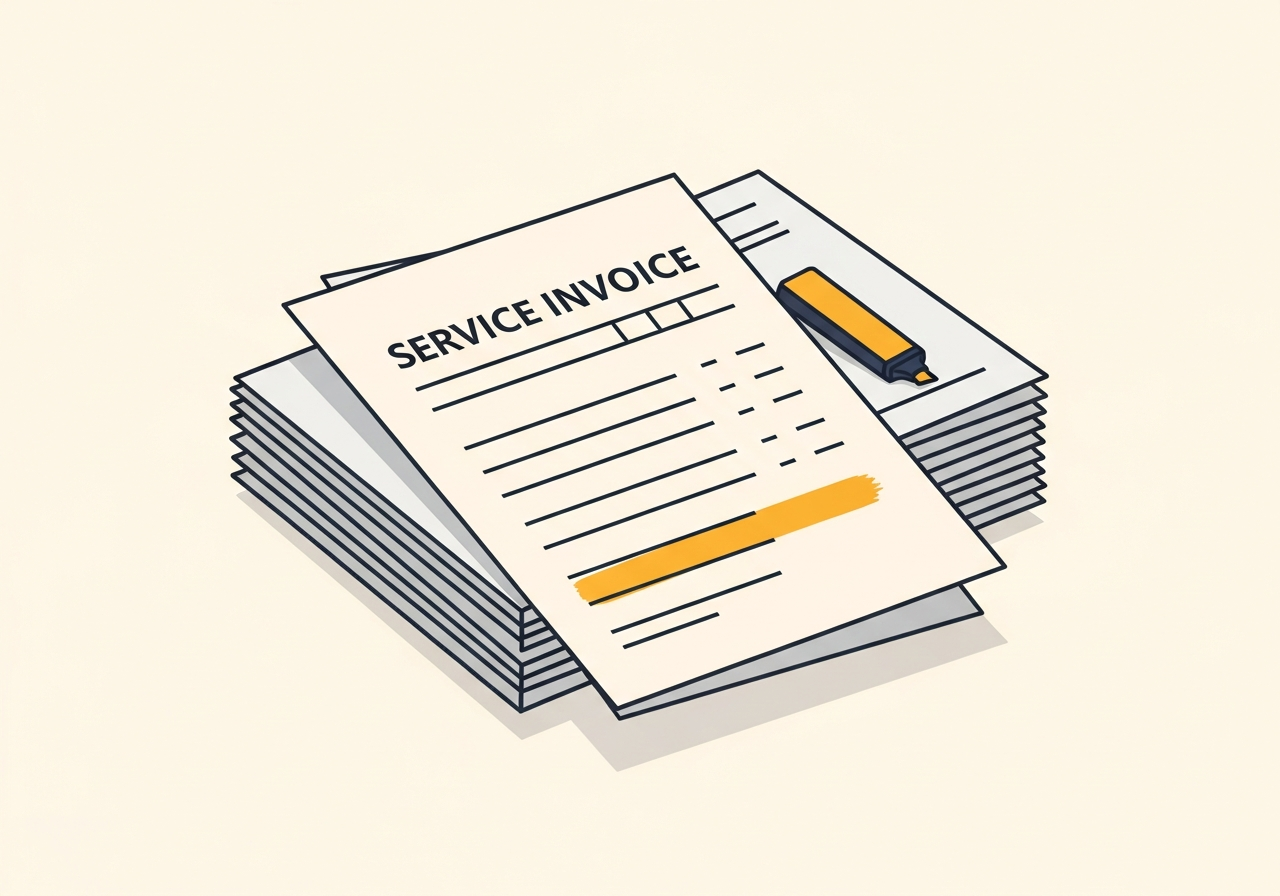
If the RO or service ticket records the complaint, the attempt counts.
The typical case timeline
Most California lemon cases follow roughly this arc. It's faster than most owners expect — particularly under the newer framework for manufacturers who've opted in.
What the case actually looks like
Timing varies by manufacturer and defect, but this is the shape most claims follow.
Day 0
The first sign something's wrong
A defect shows up. You bring the car in. The tech writes it up on an RO. This is repair attempt #1, even if nothing is replaced.
Weeks to months
Repeat repair attempts
The same defect keeps coming back. Each additional RO with the same complaint is another attempt. Keep every invoice. Photograph every symptom.
Threshold crossed
Two or more attempts (safety) — four or more (non-safety)
You're now in the zone where Song-Beverly presumes the car is a lemon. This is the earliest point at which it's worth formally assessing your case.
Demand letter
Formal notice to the manufacturer
A written demand identifies the nonconformity, lists every repair attempt, and asks for a refund or replacement. Under the new framework, this starts a strict response window.
30–60 days
Manufacturer response window
For opted-in manufacturers, a 30-day offer window and 60-day cure window apply. Most cases resolve inside that window if the documentation is clean.
Resolution
Buyback, replacement, or lawsuit
Buyback returns what you paid (minus a statutory usage offset). Replacement gets you a comparable new vehicle. If the manufacturer refuses, the case moves to litigation — but most don't.
What you get if you qualify
Song-Beverly gives you two primary remedies, plus a catch:
- Refund (buyback). The manufacturer returns what you paid for the car — purchase price, taxes, fees, finance charges — minus a usage offset based on how many miles you drove before the first repair attempt.
- Replacement. A comparable new vehicle, same manufacturer, same options tier.
- Civil penalty. If the manufacturer "willfully" violated the law, you can recover up to two times the actual damages on top of the refund or replacement. This is the big lever in traditional litigation. It's also where the new California framework changed the math — more on that below.
You pick refund or replacement. The manufacturer doesn't.
Where the new California framework changed things
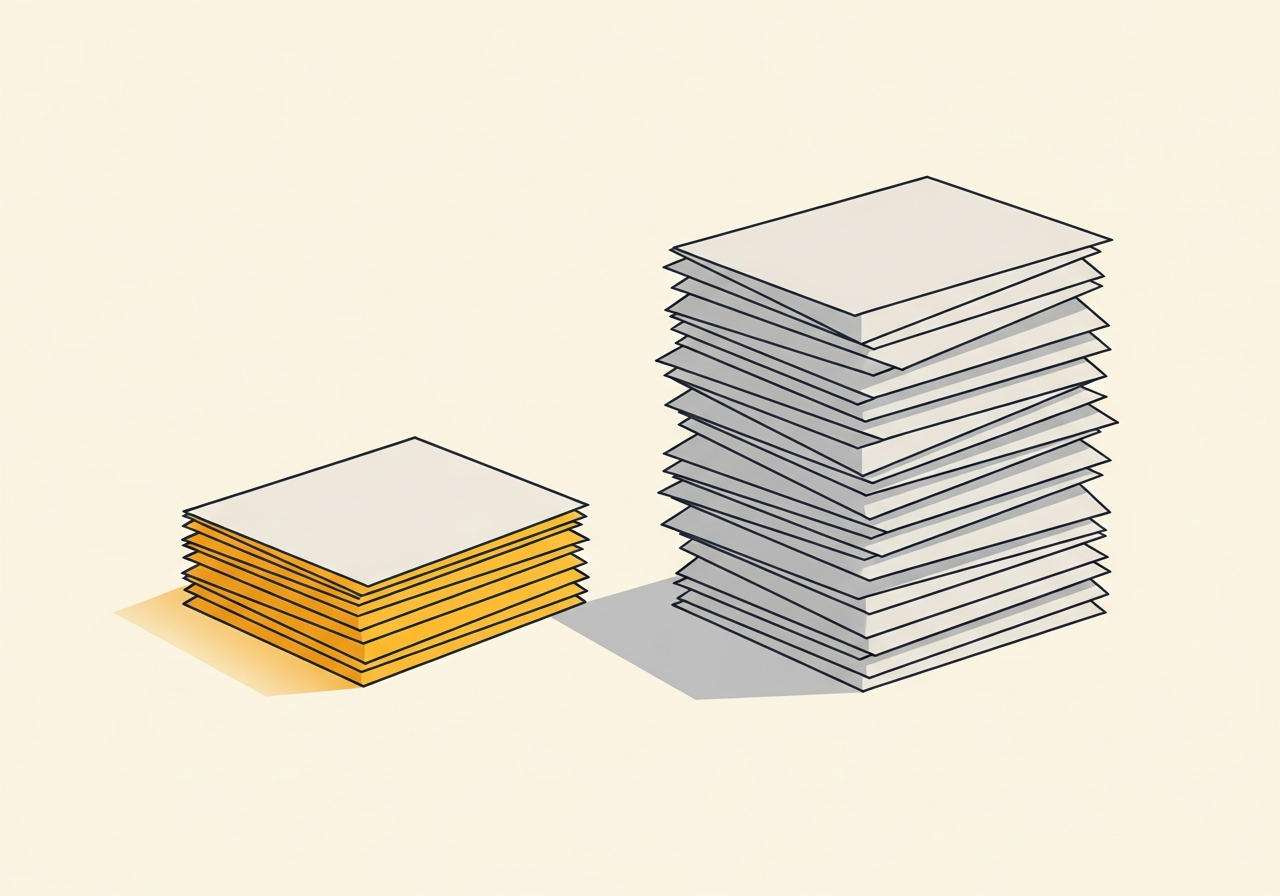
California's lemon law was updated (AB 1755 and SB 26) to create a faster, structured track for manufacturers who opt in. The tradeoff:
- Faster resolution. Manufacturers on the new track have a 30-day offer window and a 60-day cure window. In most cases, a refund or replacement lands in weeks, not the 12–24 months a traditional lawsuit takes.
- Civil penalty waived if they cure. If the opted-in manufacturer completes the buyback or replacement inside the 60-day window, the "up to 2x" civil penalty under § 1794(c) drops out. Your recovery caps at actual damages.
For most owners, the math favors the new track: faster return of your money is worth giving up long-tail damages you'd spend two years litigating for. But it's a real choice, and the right answer depends on how bad the manufacturer's conduct was and how much you need the money back right now.
We walk through the specifics — what changed, when, and which manufacturers opted in — on the new CA law change page and in the opted-in manufacturer list.
By manufacturer
Opt-in status is not uniform across manufacturers. Which track your claim runs on — the expedited AB 1755 / SB 26 fast track or the traditional Song-Beverly path — depends on whether your vehicle's maker has joined the new framework.
See the opted-in manufacturer list for the current roster, with each manufacturer's effective date and what that means for your claim. The list is updated weekly against the DCA Arbitration Certification Program's published roster.
What doesn't qualify
Not every annoying car problem is a lemon case. California law specifically excludes:
- Damage caused by abuse or modifications. If the defect comes from your aftermarket tune, not the factory.
- Routine wear items. Tires, brake pads, wiper blades — the stuff warranty never covered.
- Subjective dissatisfaction. The car feels slower than you expected. The seat isn't comfortable. The FSD isn't as good as the demo.
- Defects that have been fixed. The presumption is about defects that are still there after repair attempts. If the third attempt actually fixed it, the case is gone.
The real prerequisite: documentation
The most common reason a qualifying case fails is missing documentation. Owners verbally report the same issue across five visits without ever checking that the complaint made it onto the RO, then can't prove the attempts happened.
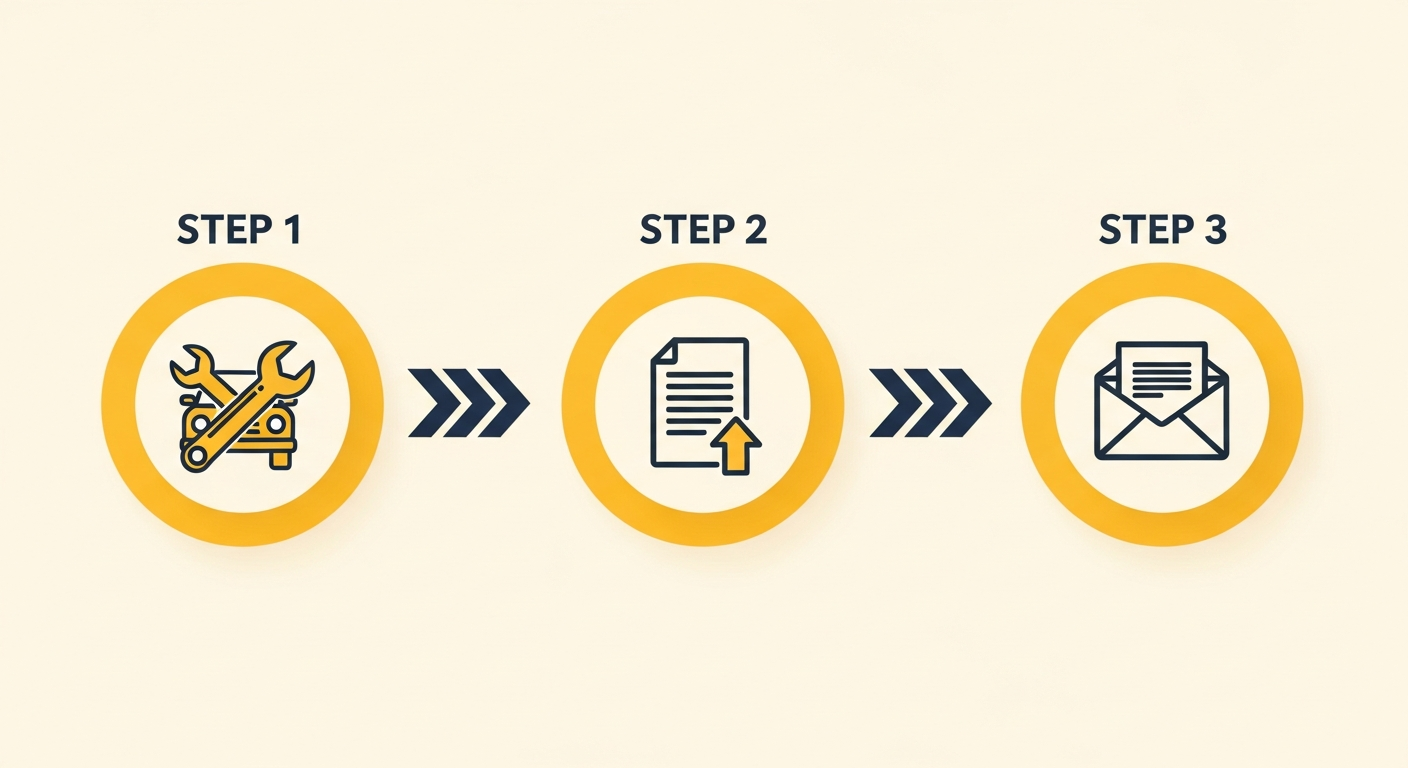
- Step 1Service Vehicle
- Step 2Document Evidence
- Step 3Demand Refund
Before your next service visit:
- Write down the exact symptom in the words you want on the RO
- Read it to the service writer; ask them to read it back
- Ask for a printed copy of the RO before you leave
- Take a photo of it in the parking lot so it's timestamped
This is the cheapest, highest-leverage habit you can build. It's also what separates cases that settle in 30 days from cases that drag on for months.
Where are you in this?
Two honest paths. Pick the one that actually matches your situation.
Suspected lemon
You're early. The problem keeps coming back but you haven't built the paper trail yet. Our app structures your documentation as issues happen so you have clean records if it becomes a case.
Start documenting
Ready to file
You already have two or more repair attempts on the same defect. We'll turn your records into a timeline and draft the demand letter under the new California framework.
Start your claim